
The allure of chance
The thrill of uncertainty lies at the heart of gambling, and it’s a powerful motivator that draws millions to casinos every year. Human beings are inherently intrigued by risk and the unknown, which makes the potential for both loss and gain especially tantalizing. This phenomenon activates the brain’s reward system, releasing dopamine—the neurotransmitter associated with pleasure—whenever we place a bet on casino online games. Each spin of the slot machine or deal of the cards creates a rush, amplifying our excitement as we anticipate the outcome. This feeling of exhilaration can create a strong urge to return, as the brain craves that next high.
Moreover, the allure of chance is intensified by the presence of personal agency. Gamblers believe their choices can sway the results, whether through strategic gameplay or simply by picking lucky numbers. This sense of control transforms the experience from mere chance into an interactive adventure. For instance, players may favor specific games that resonate with their personal experiences, thereby creating a connection that enhances enjoyment and prolongs their engagement. The belief that skill or intuition can influence outcomes keeps players invested, fueling their desire to play even more.
Coupled with social dynamics, the allure of chance can become even more compelling. Many casino environments incorporate social elements, from crowded gaming tables to friendly banter with fellow players. This not only amplifies the excitement but also fosters a sense of belonging. The communal atmosphere helps individuals feel part of something larger, enhancing their experience through shared joys and disappointments. Social interactions can lead to heightened emotions, making each win or loss feel more profound, which is why casinos often thrive on social interaction as much as the games themselves.
The role of environment
The physical surroundings of a casino play a crucial role in shaping the psychological experience of gamblers. These establishments are meticulously designed to create an enticing atmosphere filled with bright lights, vibrant colors, and engaging sounds. They aim to captivate the senses and immerse players in a world that feels both luxurious and exciting. The absence of clocks and windows further disorients individuals, blurring the lines between time and reality, making them less aware of how much time they spend gambling. This carefully curated environment encourages players to lose themselves in the experience, often leading to longer visits.
In addition to the sensory overload, casinos often use specific layouts that maximize engagement. High-traffic areas are typically lined with popular games, while quieter corners host less popular options. This careful arrangement encourages exploration and experimentation, increasing the likelihood that gamblers will try their hand at new games. Many establishments also offer complimentary drinks and snacks, reinforcing the idea that visitors are in a lavish playground where they can indulge and let loose. Such incentives not only heighten the overall experience but also contribute to the sense of freedom that many players seek when they visit a casino.

Moreover, engaging themes and aesthetics—ranging from opulent luxury to whimsical adventure—are strategically employed to create memorable experiences. The interaction between environment and gameplay sets the stage for a psychological journey that can lead to increased excitement and prolonged engagement. These carefully constructed settings forge lasting impressions on players, making them eager to return in search of the rush they’ve experienced before. The atmosphere becomes part of the allure, as each visit feels like stepping into a different world, one that promises excitement and the potential for rewards.
The impact of social factors
Social dynamics significantly influence the psychology of gambling, often amplifying individual behavior. People don’t just gamble for the chance to win; they are also motivated by the social connections formed in these environments. Whether it’s participating in casual conversations with fellow gamblers or experiencing the adrenaline rush of a collective win, these social interactions can heighten the overall enjoyment of the experience. It’s common for friends or groups to visit casinos together, reinforcing bonds while sharing the risks and rewards of gaming. This shared experience can create lasting memories and strengthen relationships, drawing people back for both the games and the company.
Additionally, the presence of others can affect gambling behavior and decision-making processes. Research indicates that people are more likely to take risks when surrounded by others. This phenomenon, known as social facilitation, can lead to behaviors that individuals might not typically exhibit when gambling alone. Consequently, the excitement of the crowd and their reactions can embolden players, pushing them to wager larger amounts or try different games they wouldn’t have considered otherwise. This collective energy can amplify the thrill of the experience, transforming it into a shared adventure.
Furthermore, the influence of social norms and peer pressure can’t be underestimated. People may feel compelled to continue gambling or change their betting strategies based on the behaviors they observe in others. This effect can be especially prominent in environments where high-stakes bets and big wins are celebrated. In many cases, the desire to fit in or impress peers can spur individuals to gamble more aggressively or frequently. This underscores the communal aspect of the casino experience, highlighting how intertwined it is with collective psychology and social dynamics, making the experience more enjoyable yet potentially riskier.
The psychology of reward and loss
The complex interplay between reward and loss is pivotal in understanding the psychology of gambling. Winning, no matter how small, produces a euphoric feeling that gamblers often chase, creating a cycle that can lead to habitual behavior. The anticipation of a win, paired with the instant gratification that accompanies it, reinforces gambling behavior; every win, big or small, can effectively boost a player’s self-esteem and provide a sense of accomplishment that draws them back for more. This reinforces the belief that luck is just around the corner, fueling the desire to play on.
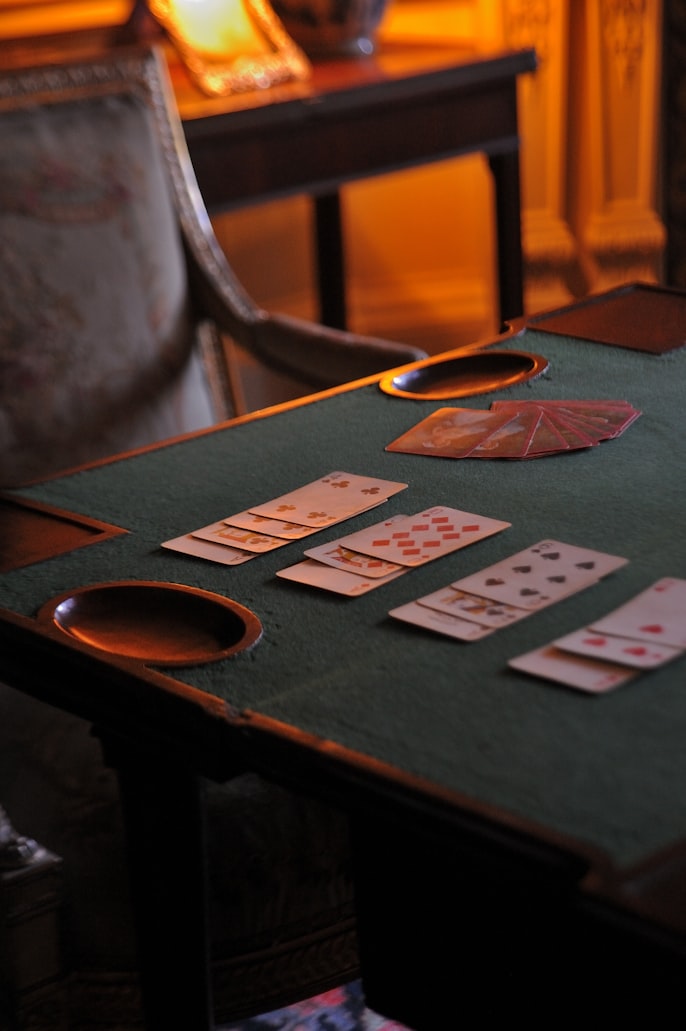
Conversely, the experience of loss can trigger a range of emotional responses, often leading to a phenomenon known as loss aversion. Gamblers may chase losses, convinced that they can regain what they’ve lost by continuing to play. This cycle can become addictive as individuals rationalize their actions, believing that persistence will ultimately lead to success. The emotional rollercoaster of gambling—where hope and despair coexist—illustrates how easily one can become entrenched in the psychological complexity of gambling. Understanding this dynamic is crucial for both players and industry professionals.
Understanding this psychological tug-of-war is essential for both players and those working in the gaming industry. It represents the fine line between enjoyment and addiction, with casinos walking the tightrope of promoting responsible gaming while maximizing engagement. Ultimately, the psychological effects of reward and loss create a dynamic that captivates players and keeps them returning, drawn by the hope of striking it rich, even amidst the potential for loss. Recognizing these patterns can help players manage their expectations and behaviors, fostering a healthier relationship with gambling.
Your journey through gambling psychology
Exploring the psychology of gambling illuminates the myriad reasons why people are drawn to casinos. The multifaceted nature of human motivation, encompassing social dynamics, environmental influences, and the complex dance of reward and loss, shapes our experiences within these vibrant spaces. With a deeper understanding of these psychological elements, players can navigate their gambling journeys with greater awareness and responsibility. This understanding is crucial for ensuring that gambling remains a source of entertainment rather than a compulsive behavior.
Whether you are a casual visitor or a more frequent player, recognizing the influences at play can enhance your enjoyment while ensuring that it remains a fun and entertaining activity. By understanding the psychological underpinnings of gambling, players can make informed decisions about their behavior and remain mindful of the potential risks and rewards. This awareness can serve as a protective factor, helping individuals enjoy the experience without falling into the traps of addiction.
Ultimately, casinos continue to thrive not just due to the games they offer but because they appeal to the core of human psychology. This fascinating interplay between chance, environment, social interaction, and emotional response makes gambling an enduring source of intrigue and excitement in our culture. Understanding these factors gives players the tools they need to approach this captivating activity with balance and insight, paving the way for a healthy and enjoyable gambling experience.
